As we’re slowly riding out of the COVID-19 pandemic and return to normalcy, traffic is starting to increase, and those deserted back roads suddenly are packed with holidaymakers and people looking to make the most of the situation before they’re called back into the office.
After a year of lockdowns, people are itching to get out and spend the money they saved during the pandemic on new cars, new motorcycles and gasoline. This spending spree in combination with a move away from public transportation has created a new wave of inflationary pressure, hiking prices for most commodities, including gasoline.
The days of cheap, lockdown-era gasoline are gone, and they’re unlikely to come back anytime soon.

Depending on where you live, gasoline prices may have increased just a few cents per liter, or may have increased almost €0,50 per liter ($2.27 per gallon) over the course of a year.
Gasoline prices in the Middle East and Russia have remained relatively stable, but prices in especially (Western) Europe and the U.S. have climbed significantly, with prices for premium gasoline in our home country the Netherlands nearing €2 per liter (a whopping $8.5 per US gallon).
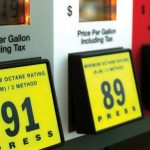
While the U.S has a more favorable tax structure, nationwide average prices per gallon are now also approaching $3 per gallon, with prices in some states set to top $5 per gallon this summer as a result of tighter supply (thanks Texas Freeze) and a shortage of tanker truck drivers to deliver the juice.
Soaring fuel prices are, however, not expected to keep motorists of the roads this summer. The desire to travel and to freely roam around is simply too strong after a year of lockdowns.